The Benefits of Using a Diagnostic Repair Service for Your Vehicle
The benefits of employing a automotive diagnostic service for a vehicle are substantial and wide-ranging. These services enhance performance and safety while keeping minor faults from developing into costly repairs. By identifying potential concerns early, they contribute to maintaining the car's dependability and fuel economy. However, many drivers overlook the significance of consistent diagnostic evaluations. Understanding what these services offer can contribute to wiser decisions about car upkeep and long-term performance. What criteria should one evaluate when selecting a diagnostic repair service?
The Importance of Diagnostic Repair Services
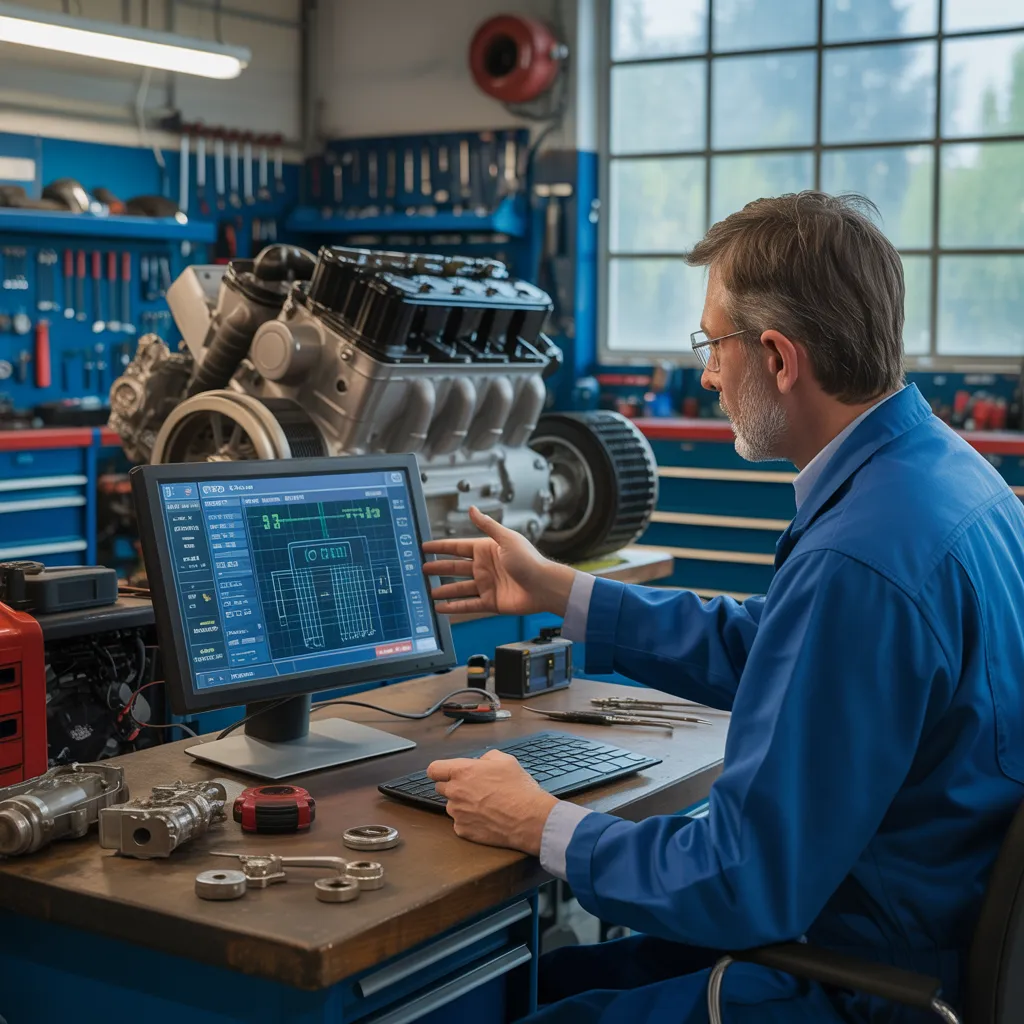
Diagnostic repair services serve a vital function in maintaining vehicle performance and safety. These services employ advanced technology and purpose-built equipment to evaluate a vehicle's systems, identifying potential issues before they escalate into serious problems. Through comprehensive diagnostic procedures, technicians can pinpoint malfunctions in critical components such as the engine, transmission, and onboard electrical systems.
This preventative strategy not only improves the durability of the vehicle but also secures maximum fuel efficiency and performance. Moreover, diagnostic services aid in meeting safety requirements, decreasing the chances of accidents stemming from mechanical issues. Routine diagnostics support well-informed choices concerning repairs and upkeep, potentially sparing owners considerable expenses over time. At its core, the significance of diagnostic repair services stems from their ability to offer peace of mind, confirming that vehicles perform reliably and safely on the road.
Typical Car Issues Diagnosed with Precision
Many vehicle owners face various typical problems that can be effectively diagnosed through specialized services. Such problems commonly involve engine problems, transmission difficulties, and electrical system malfunctions. To illustrate this, a vehicle's engine might produce strange sounds or show reduced efficiency, creating the need for a detailed diagnostic evaluation. Problems with the transmission can appear as gear slippage or uneven shifting, which specialized diagnostic evaluations can detect.
Moreover, indicator lights on the dashboard can highlight numerous issues, from slight to serious, indicating the need for urgent action. Brake-related concerns, such as squealing or diminished responsiveness, also require thorough diagnosis to guarantee safety. By making use of professional diagnostic services, car owners can detect these concerns promptly, stopping further deterioration and reducing repair costs. In the end, identifying and resolving these typical car problems through expert diagnosis fosters both vehicle longevity and driver safety.
How Diagnostic Tools Detect Vehicle Problems Precisely
Diagnostic tools utilize advanced technology to detect vehicle faults with outstanding accuracy. By integrating real-time data analysis, these instruments can assess various systems within the vehicle, offering real-time feedback on functionality and possible issues. This accuracy improves the productivity of repair procedures, ultimately contributing to improved vehicle care.
Sophisticated Technology Integration
With vehicles growing more complex, the adoption of cutting-edge diagnostic tools has changed the way faults are recognized and corrected. Modern diagnostic systems utilize sophisticated software and hardware to analyze a vehicle's electronic components, allowing technicians to identify issues with exceptional precision. Such tools are able to interpret error codes, observe sensor data, and carry out system checks in real time. By converting complex vehicle data into clear and comprehensible information, they work to minimize guesswork and decrease the time needed for repairs. Furthermore, the application of advanced technology ensures that technicians remain informed about the newest vehicle models and their unique needs. Such precision not only increases the efficiency of repair work but also strengthens overall vehicle safety and performance, making diagnostic repair services indispensable.
Instant Data Analysis
Utilizing live data processing, advanced diagnostic systems accurately detect vehicle issues with accuracy. Such systems gather and analyze data from various sensors throughout the vehicle, empowering automotive specialists to detect faults efficiently. By evaluating key indicators such as engine performance, fuel efficiency, and emission levels, mechanics can uncover hidden issues that might go undetected in a standard inspection. This preventative strategy facilitates early responses, reducing the risk of more extensive damage and costly repairs. Additionally, real-time data can facilitate better communication between the specialist and the automobile owner, ensuring transparency regarding the issues and recommended solutions. Altogether, the use of real-time data analysis greatly enhances the accuracy and efficiency of automotive diagnostics.
Why Are Experienced Technicians Important in Diagnostics?
Experienced technicians play an essential role in vehicle diagnostics due to their advanced technical knowledge. Their expertise allows for efficient problem identification, decreasing downtime for car owners. In addition, qualified technicians increase repair accuracy, guaranteeing that problems are fixed properly the first time.
Expert Technical Expertise
Technical expertise plays an essential role in the effectiveness of vehicle diagnostics. Seasoned technicians maintain a thorough grasp of automotive systems, enabling them to interpret complex data from diagnostic tools accurately. Their extensive training allows them to recognize patterns and anomalies that less experienced individuals might overlook. This advanced knowledge guarantees that technicians can differentiate between minor issues and significant problems, producing more reliable diagnostic outcomes. Additionally, seasoned professionals are usually familiar with the latest technological advancements, which play a vital role in modern-day vehicles. Their commitment to keeping pace with industry changes improves their diagnostic proficiency, establishing them as essential assets in uncovering underlying problems rapidly and effectively. In the end, their knowledge results in more dependable and effective vehicle repairs.
Effective Issue Detection
Precise problem detection is critical in vehicle diagnostics, and the skill of seasoned technicians greatly enhances this process. Seasoned professionals possess a deep understanding of various vehicle systems, allowing them to quickly pinpoint issues that may elude less experienced mechanics. Their familiarity with vehicle diagnostic instruments enables them to process data efficiently, leading to faster and more reliable conclusions. Additionally, experienced technicians can draw on prior knowledge to recognize patterns in vehicle behavior, facilitating swift identification of recurring problems. This effectiveness not only saves time but also minimizes the risk of misdiagnosis, ensuring that the right problems are resolved quickly. As a result, employing expert technicians for vehicle diagnostics translates into better overall vehicle performance and lifespan.
Enhanced Repair Accuracy
Reaching superior repair accuracy depends on the expertise of technicians who have a vast understanding in car diagnostics. Seasoned mechanics are familiar with the complexities of various vehicle systems, empowering them to identify problems accurately. Their thorough preparation and hands-on experience allow them to employ sophisticated diagnostic equipment efficiently, confirming that faults are properly recognized from the outset. This minimizes the chances of misdiagnoses and unnecessary repairs, consistently reducing costs and effort for vehicle owners. Furthermore, their knowledge of manufacturer specifications ensures that repairs are performed to the highest standards. Essentially, the competence of seasoned technicians is essential for achieving accurate diagnostics, resulting in greater vehicle dependability and extended lifespan.
Economic Advantages of Early Diagnostic Repair Services
Early diagnostic repair services provide vehicle owners significant cost-saving advantages. Resolving problems early can stop small faults from developing into serious repairs, which often lead to increased costs for labor and replacement parts. By detecting and correcting problems at an early stage, vehicle owners can increase the longevity of their vehicles, reducing the frequency of costly repairs and replacements.
Furthermore, early diagnostic checks play a key role in enhancing vehicle performance, resulting in better fuel efficiency. Vehicles that receive regular maintenance are unlikely to experience sudden breakdowns, protecting owners from incurring roadside assistance and towing expenses. Furthermore, consistent diagnostic inspections can reveal hidden issues that may go unnoticed, allowing for proactive measures before they become critical.
In the end, committing to preventative diagnostic solutions not only protects a vehicle's present performance but also enhances long-lasting cost savings, making it an intelligent decision for responsible vehicle owners.
Recognizing Signs That Indicate the Need for Diagnostic Services
Vehicle owners ought to be watchful in recognizing symptoms that suggest the need for diagnostic inspections. Unusual noises, such as grinding or knocking sounds, can suggest possible mechanical problems that demand prompt attention. Moreover, dashboard warning lights, particularly the check engine light, should never be ignored, as they frequently signal underlying mechanical issues.
Shifts in vehicle behavior, such as decreased acceleration or difficulty starting, may also suggest the importance of a professional diagnostic inspection. Varying fuel consumption can suggest underlying engine or fuel system concerns that would respond well to early intervention.
Ultimately, ongoing vibrations or handling problems can suggest alignment or suspension problems. By paying close attention to these indicators, drivers can proactively seek diagnostic services, ensuring their vehicles remain safe and reliable while potentially reducing the cost of major repairs over time.
Questions We Often Receive
How Frequently Should I Have My Vehicle Diagnosed?
A vehicle examine now should usually be assessed once a year or whenever warning lights come on. Routine diagnostic checks help uncover underlying issues at an early stage, ensuring maximum efficiency and avoiding expensive repairs, ultimately prolonging the life of the vehicle and improving safety.
Can I Perform Diagnostics Myself at Home?
Certainly, it is possible to perform diagnostic tests at home with inexpensive OBD-II scanners. However, though minor issues may be diagnosed, more complex issues usually demand professional expertise to ensure an accurate assessment and reliable repair options.
What Types of Vehicles Benefit Most From Diagnostic Services?
Premium automobiles, hybrid cars, and those featuring sophisticated technology systems benefit most from diagnostic services. Their complex electronics require specialized tools and expertise, guaranteeing precise issue detection and effective repair solutions to preserve optimal performance levels and vehicle safety.
Do Diagnostic Repairs Fall Under Warranty Coverage?
Diagnostic repairs may be covered by warranty, depending on the specific terms and conditions of the warranty. Car owners are encouraged to examine their warranty documents or speak with their provider to determine coverage details for such services.
What Is the Average Duration of a Diagnostic Service?
A typical vehicle diagnostic usually takes between one to two hours, based on the vehicle's specific needs and the specific issues being investigated. Factors like technician experience and available tools also influence the duration of the service.
Advance